|
Port City Insights: This weekly strategic monitoring service on City Port news is reserved for you as a member of the AIVP
Edition of January 29, 2026
|
|
|---|
|
|
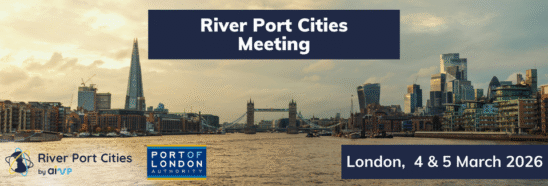
Join the AIVP Working Group to discover London’s flagship projects along the Thames and the Royal Docks. Two days of site visits, presentations and exchanges focusing on the revitalisation of inner-city industrial areas, river transport, the coexistence of uses and water resource protection. Event reserved for members.
|
|
|---|
|
|
|---|
|
|
|
Climate change
Greener ports in the Caspian region
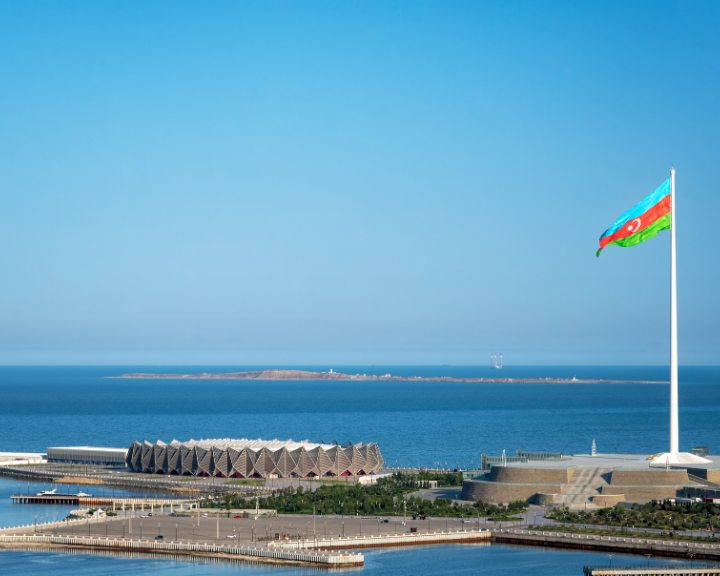
On January 14th, RINA and HPC Hamburg Port Consulting were awarded a five-year contract to implement Phase III of the initiative “Promoting Green Ports and Connectivity in the Caspian Sea Region”. Launched in Baku (Azerbaijan) in 2019 by the Organization for Security and Co-operation in Europe (OSCE), the initiative aims to strengthen the sustainability of Caspian ports through renewable energy, energy efficiency, digitalisation, and climate adaptation, while also promoting gender parity in port operations. It covers the ports of Baku (Azerbaijan), Aktau and Kuryk (Kazakhstan), Turkmenbashi (Turkmenistan), and Batumi (Georgia), and is aligned with the United Nations 2030 Agenda. Within this framework, RINA and HPC will deliver feasibility studies related to renewable energy and climate adaptation and support the rollout of gender equality policies in the port sector.
|
|---|
|
|
Energy transition and circular economy
Oslo’s “Climate Budget” celebrates its 10th anniversary
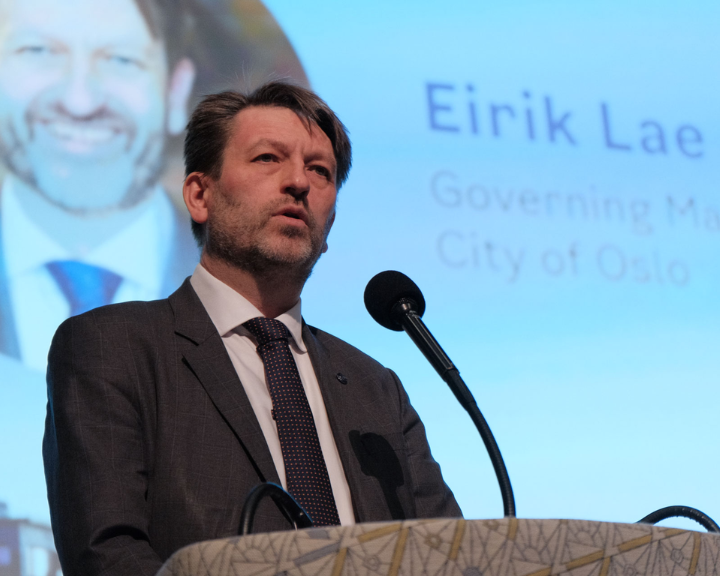
Norway’s capital celebrated 10 years of being the first city to adopt a climate budget, which has since inspired many cities around the world. It is designed to directly integrate climate goals into the city’s financial planning and decision-making framework, ensuring that emissions reductions are managed with the same rigour and accountability as budgetary targets. The Port of Oslo is a key partner in this initiative and is aligning itself with the municipal climate budget objectives by setting specific targets for achieving GHG-free port operations and passenger transport. The climate budget is one of the measures that members of the C40 coalition must initiate when they join.
|
|---|
|
|
Governance
San Antonio Port presents 2050 Vision for future port–city development
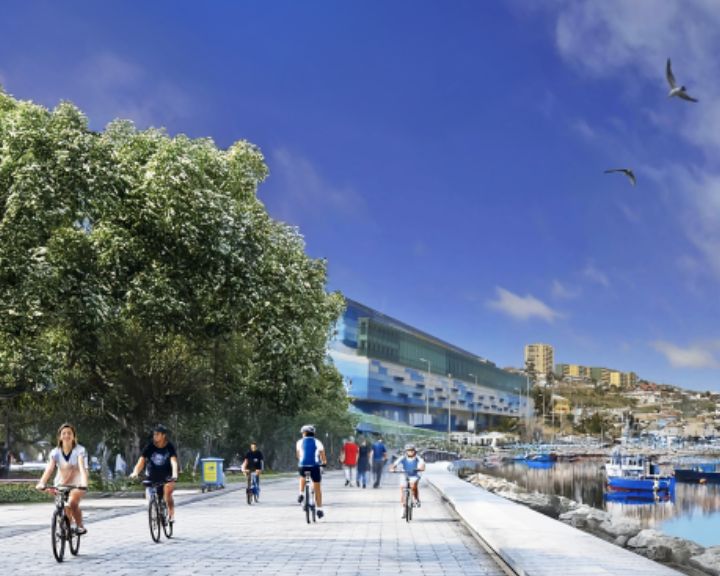
Puerto San Antonio presented a long-term vision for the port-city of San Antonio (Chile) for 2050 during a public meeting with local authorities, stakeholders, and community leaders. Developed with architect and urban planner Alberto Texidó, the proposal outlines a shared strategic vision to guide future planning. It includes projects to strengthen the urban–port interface, improve public spaces, enhance environmental quality, and increase coastal resilience. The port also shared results of the first study assessing the socioeconomic impacts of port activity, highlighting expected growth in employment and local economic benefits linked to the future Puerto Exterior project. New concession contracts are expected to include dedicated funding for social responsibility, sustainability, and shared value initiatives, reinforcing long-term cooperation between the port and the city.
|
|---|
|
|
Energy transition and circular economy
The Port of Dunkirk announces with €1.7 billion in industrial investments
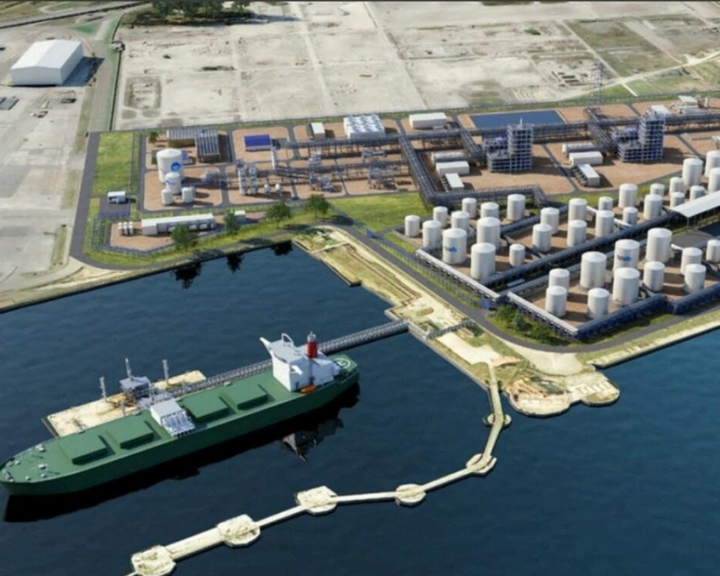
At the start of 2026, the port of Dunkirk (France) marked a major step in its industrial development, unveiling an investment of nearly €1.7 billion for two large-scale projects. Spread across 23 hectares, including 20 hectares of redeveloped industrial land, the projects are designed to complement each other while maximising the use of the port’s infrastructure. The site will host a liquid bulk terminal alongside a sustainable aviation fuel production facility, creating around 300 jobs and handling 1 to 1.2 million tons of maritime traffic annually. These initiatives are part of Dunkirk’s broader industrial transition strategy, exemplified by the DKarbonation project, which demonstrates how shared energy infrastructure can make decarbonization economically viable.
|
|---|
|
|
Climate change
Climate change threatens Santa Cruz’s surf economy
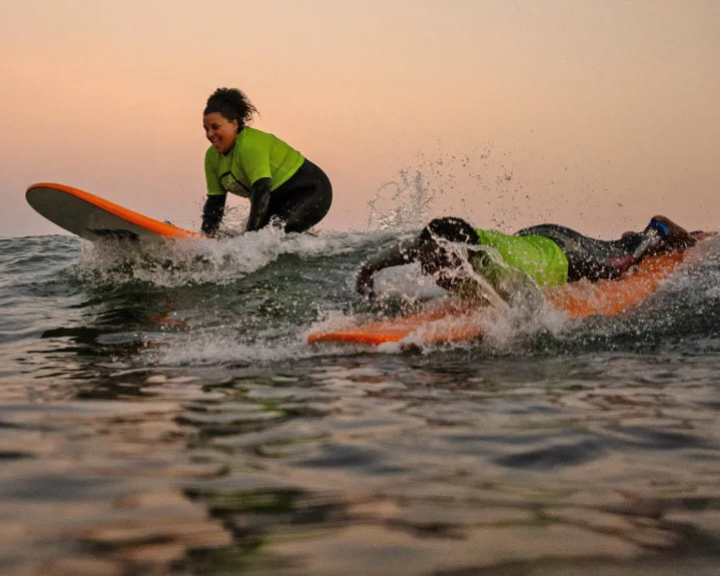
Surfing generates nearly $200 million a year in Santa Cruz (USA), according to a landmark report released in September by the nonprofit Save the Waves Coalition. Surfing and its contributions to the local blue economy are at risk from climate change, sea level rise, and the policy responses to these threats. 30 cm of sea level rise would reduce surfability by 29%, leading to an estimated $12.8 million loss. Save the Waves highlights that current efforts to protect coastal infrastructure, e.g. Port and Harbor development, could damage surf breaks. In November 2025, the City Council voted to update the Local Coastal Program to recognise surfing as a coastal resource, showcasing the importance of including their voice in coastal adaptation projects.
|
|---|
|
|
|
Governance
Rotterdam launches a study to investigate the lack of space in the port and improve the living environment in the region
| |
|---|
|
|---|
|
|
|---|
|
Governance
A new waste tax on ports, rivers, and canals raises questions about the future of major infrastructure investments in the United Kingdom
| |
|---|
|
|---|
|
|
|---|
|
Human capital
Puertos del Estado (Spain) launches a new call of the Ports 4.0 fund for 6.7 million Euros
| |
|---|
|
|---|
|
|
|---|
|
Governance
The Grand Port Maritime of Réunion and the Territoire de l’Ouest sign a three-year agreement to coordinate an action plan for sustainable economic development
| |
|---|
|
|---|
|
|
|---|
|
Culture and identity
The Penglai Harbor District in Kaohsiung (Taiwan) inaugurates the exhibition “Landing at K. Port” to showcase the past and present of the port
| |
|---|
|
|---|
|
|
|---|
|
Energy transition and circular economy
Port of Odesa (Ukraine) is set to welcome a decentralized microgrid to strengthen energy resilience
| |
|---|
|
|---|
|
|
|---|
|
|
|