Situada en la región del Biobío de Chile, dentro del área metropolitana de Concepción, la Autoridad Portuaria de Talcahuano es una organización dinámica comprometida con su entorno local. La empresa pública Puertos de Talcahuano es propietaria de los puertos de San Vicente y Talcahuano. Se ha asociado con CityLab Biobío para desarrollar una herramienta que permita modelar el impacto de sus proyectos en los residentes locales. CityLab está financiado por el Gobierno Regional del Biobío y la Cámara Chilena de la Construcción de Concepción, con una contribución de la asociación Corporación Ciudades. Forma parte de una red global de intercambio de conocimientos creada por el Instituto Tecnológico de Massachusetts (MIT).
Entrevista con Cristian Wulf, Gerente de Puertos de Talcahuano y Fernando Pérez, Director Principal de City Science Lab Biobío
AIVP – ¿En pocas palabras en qué consiste la plataforma “Ciudad Portuaria” y cómo se desarrolló el proyecto?
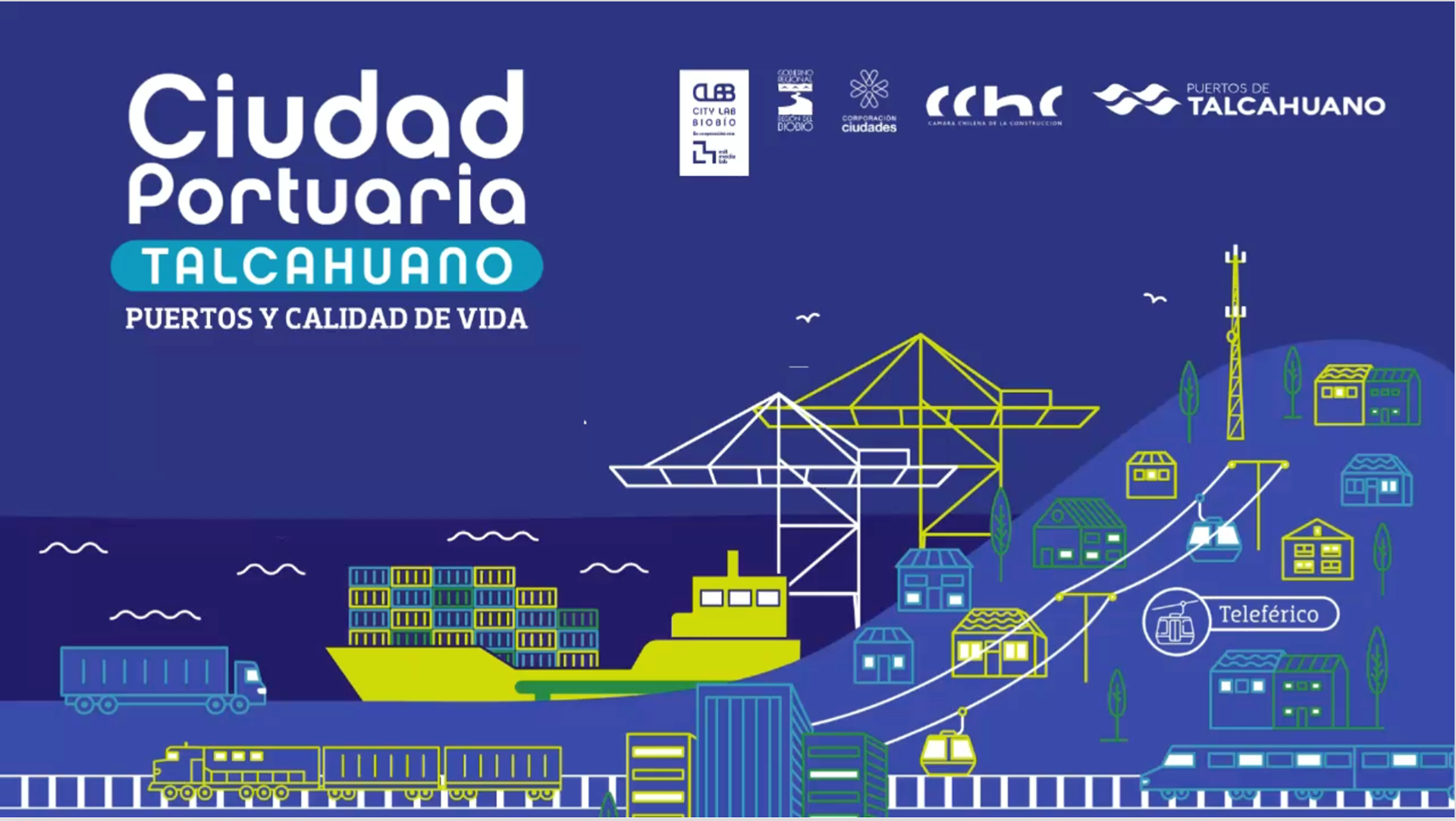
Cristian Wulf – Ciudad Portuaria es una plataforma digital interactiva que, gracias a la ciencia, la tecnología y la participación ciudadana, simula el impacto de proyectos de conectividad, movilidad y mejoramiento del borde costero sobre la comunidad y el desarrollo sostenible de los puertos de Talcahuano y San Vicente. Prospecta múltiples escenarios para fortalecer la planificación urbana y la comprensión del contexto de una ciudad portuaria. Es un insumo para que los tomadores de decisión optimicen 8 proyectos existentes en la comuna y la ciudadanía conozca sus impactos, además de proponer soluciones. Los impactos se estiman en base a variables como tiempos de viaje, diversidad en el uso de suelo, velocidad del transporte en las rutas urbanas, calidad de la locomoción colectiva, calidad del espacio público, proximidad a paraderos y longitud de atascos.
AIVP – Esta herramienta digital es muy flexible, ya que permite incorporar información relevante para varios ámbitos. ¿Para qué temática ha sido más relevante? ¿Como se eligieron los proyectos subidos en la plataforma?
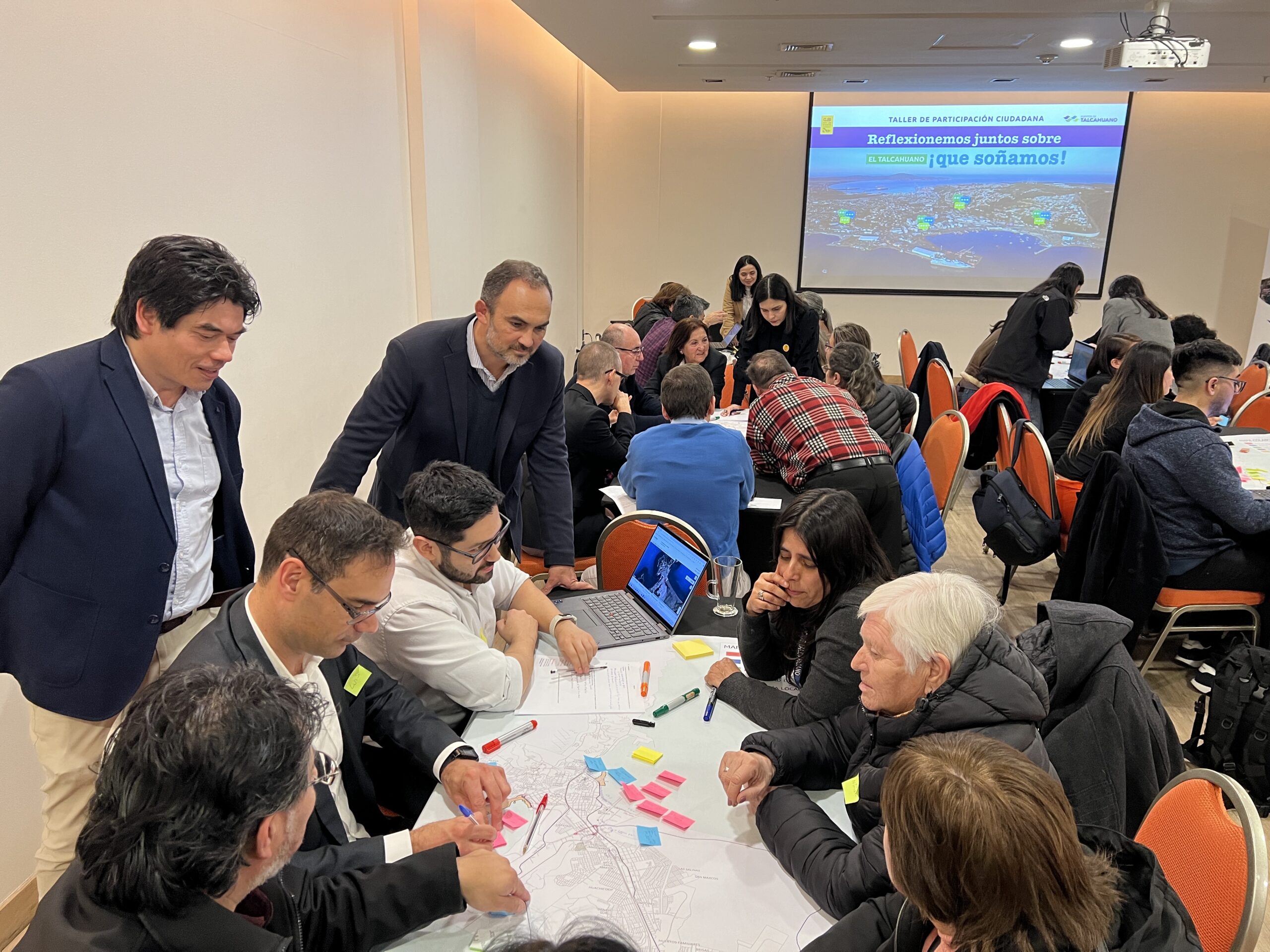
Cristian Wulf – Es importante destacar el carácter participativo de Ciudad Portuaria desde su génesis. La plataforma fue desarrollada por Puertos de Talcahuano y City Lab Biobío, parte de la red MIT City Science. Un aspecto muy relevante es que al iniciar el desarrollo de la plataforma, realizamos un “Taller participativo para la construcción de ciudades sostenibles”; en él invitamos a la comunidad, la Municipalidad y varias entidades y, en especial, a dirigentes de organizaciones sociales de Talcahuano, quienes identificaron las necesidades de la ciudad en diversos ámbitos. Luego de esto se analizaron con diversas instituciones los proyectos que existían con la suficiente información para poder ser incorporados en la plataforma, eligiendo así los 8 proyectos priorizados y de allí, también, salió la temática más relevante: mejorar la convivencia del sistema logístico portuario y la ciudad.
AIVP – Vemos que ha sido un proceso muy participativo. ¿Cuál fue la primera reacción de los habitantes locales cuando les presentaron esta herramienta? ¿Cómo se estructuró la interacción con los diferentes grupos de interés?with the various stakeholders structured?
Cristian Wulf – La reacción fue muy positiva desde un principio con el taller participativo, luego participaron en la revisión del piloto incorporando varios ajustes para hacer la plataforma más amigable y finalmente poder ver la plataforma construida. En resumen, se sienten parte de haber construido la herramienta, y que los tomáramos en consideración respecto a sus anhelos e ideas de cómo construir juntos el Talcahuano que queremos.
AIVP – Nos imaginamos que el desarrollo de una plataforma de este tipo sea muy apreciado por otros actores territoriales. ¿Cómo la recibió la municipalidad? ¿Qué otros actores están interesados en ella?
Cristian Wulf – La Municipalidad de Talcahuano valoró mucho el trabajo, desde su Alcalde a las Secretaría de Planificación y la Dirección de Tránsito. De hecho, desde otros municipios también nos solicitaron demostraciones, con el fin de ver cómo avanzar en una línea similar. También lo hemos dado a conocer a diversas juntas de vecinos, autoridades, universidades, comunidad logística, colegios y adicionalmente a través de City Lab Biobío darlo a conocer en otros laboratorios del mundo y en particular en el Summit Cities in Transition, encuentro mundial anual de los laboratorios de ciudad pertenecientes a la red MIT City Science, celebrado en Concepción en octubre pasado.
AIVP – La herramienta permite hablar con numerosos grupos, a veces con grupos poco habituados de interactuar con la autoridad portuaria. ¿Cuál era la información más interesante o inesperada que descubrieron?
Cristian Wulf – Uno de los aspectos más importantes para los distintos actores fue visualizar el impacto de los diversos proyectos en su calidad de vida a como poder analizar proyectos y sus impactos para la comuna, pero también en zonas más específicas como una junta de vecinos, y así de una manera amigable poder analizar proyectos, sus impactos y ser una herramienta útil y simple para planificar.
AIVP – Vivimos en la era de los smart ports y de las smart cities. Una parte importante de esta discusión es cómo compartir y utilizar los datos. ¿Fue este un aspecto relevante en el desarrollo de la plataforma Ciudad Portuaria?
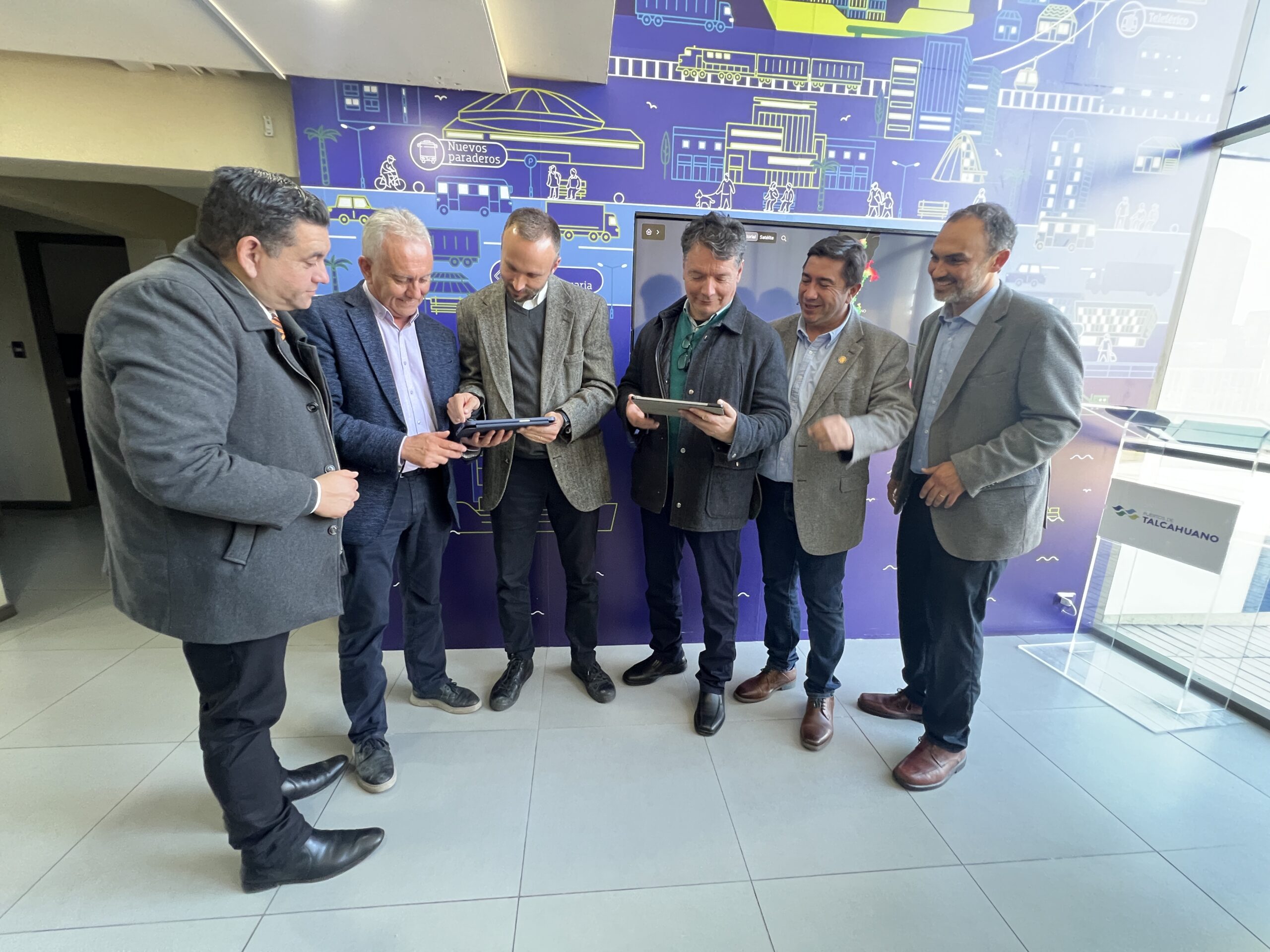
Cristian Wulf – Es interesante el trabajo recopilatorio que se hizo, cómo fuimos cotejando bases de datos de distintos ministerios, del municipio, del Instituto Nacional de Estadísticas y otros. Esta colaboración costó en un comienzo, pero con el tiempo se fue agilizando e incluso a incorporar información de otras plataformas. Pero, sobre todo, cómo fue posible cruzar esa información, prospectar su impacto sobre el tejido urbano y, además, ponerlo en un mapa. Tiene el mérito de ser una herramienta muy completa y compleja, pero al mismo tiempo sencilla e intuitiva. Además, al ser táctil, no es necesario ser experto para usarla. Sobre compartir los datos, hubo un trabajo importante para garantizar el anonimato de los datos y respetar las normas de privacidad. En cuanto al tema de smart ports y de smart cities, lo que nos parece más relevante es destacar el concepto del “smart citizen”, el ciudadano inteligente, una persona que sabe utilizar la tecnología para que le sirve en sus acciones locales. Con esta iniciativa queremos soportar el fomento de “smart citizens”.
AIVP – Es una plataforma poderosa y muy extensiva. Nos imaginemos que cuesta mucho para desarrollar y mantener. ¿Como se financia el desarrollo y la explotación de la herramienta?
Cristian Wulf – Esta es una herramienta en la cual, como Puertos de Talcahuano, decidimos invertir porque va en directo beneficio de la cadena de comercio exterior y la ciudad que la acoge, que sirve para analizar y planificar la ciudad de una manera simple y práctica. Fue a través de un convenio con City Lab Biobío, en que cada parte colaboró en diversas materias, dedicamos tiempo, contratación de profesionales específicos sumado a la experiencia de la red de Citylab para lograr concretar este proyecto. El Citylab tiene 4 años de financiamiento público previsto, hasta finales de junio 2026. Después de esta fecha, ya no se sabe si podemos lograr más financiamiento público o si el Citylab tendrá que cambiar de modelo administrativo para convertirse en un modelo comercial y proveer servicios de consultorías.
AIVP – La plataforma ya tiene muchas informaciones, pero podría ser utilizada para otras funciones. ¿Cuáles son las perspectivas de desarrollo de la plataforma?
Cristian Wulf – Hoy, la plataforma tiene ocho proyectos, pero hay varios más que nos interesaría agregar y que estarían en condiciones de incorporarse. La idea es poder avanzar en complementar esta herramienta y adicionalmente tenemos otros desafíos en que hay interés mutuo de Citylab y nuestro en poder materializarlos
AIVP – ¿Por qué la ciudad portuaria de Talcahuano ha sido elegida para ser un City Lab con el MIT? ¿Cuáles eran los criterios principales?
Fernando Pérez – City Lab Biobío es el primer laboratorio en ciencia de ciudad de la red MIT City Science al sur del mundo. Nuestra misión es liderar investigación aplicada para transformar la forma en que se planifican, ordenan y se desarrollan las ciudades.
Para llegar a cualquier ciudad, City Science observa el ecosistema urbano en su totalidad: si hay espacio para experimentar en la ciudad, si hay universidades, si hay buenos profesionales locales, y si estos desarrollan investigación de primer nivel, si hay innovación, y sobre todo, si hay voluntad en la esfera pública y privada para sumarse a esta misión de transformar la ciudad. Con el liderazgo del Gobierno Regional y la Cámara Chilena de la Construcción de Concepción, junto a Corporación Ciudades, creamos este espacio único en Chile.
Dentro de ese marco, formamos una alianza con Puertos de Talcahuano para desarrollar la primera plataforma digital de simulación para una ciudad portuaria en Latinoamérica.
Within this framework, we formed a partnership with Puertos de Talcahuano to develop the first digital simulation platform for a port city in Latin America.
AIVP – ¿Cuáles son las perspectivas de desarrollo de la plataforma en otras ciudades que forman parte de la red de los CityLabs?
Fernando Pérez – En la red City Science hay ciudades de todo el mundo, con las más variadas experiencias y enfoques de investigación. En Hamburgo, se enfocan en crear plataformas de datos y simulación que sirven a los gobiernos locales y federales para potenciar políticas de ciudad; en Taipéi, los investigadores desarrollan prototipos de Inteligencia Artificial para la evaluación e impacto de proyectos de gran escala en la ciudad; Shanghái se dedica a investigar la intersección entre diseño, tecnología, innovación y ciudad, creando modelos de IA guiados por humanos para crear arte y tecnología de primer nivel.
Nosotros tomamos esos caminos ya recorridos por los otros laboratorios y buscamos la forma de adaptarlos al contexto local y al objetivo de la plataforma digital Ciudad Portuaria. Por tanto, es un intercambio constante de conocimiento y ciencia entre los equipos. Ser parte de esta red global en investigación aplicada de ciudad es un beneficio y un plus para las ciudades del Biobío, tener la posibilidad de traer ciencia desde Asia, Europa y de una de las mejores universidades del mundo es un valor agregado a cualquier proyecto que se quiera realizar junto a nosotros.