Barcelona, 10–12 March 2026
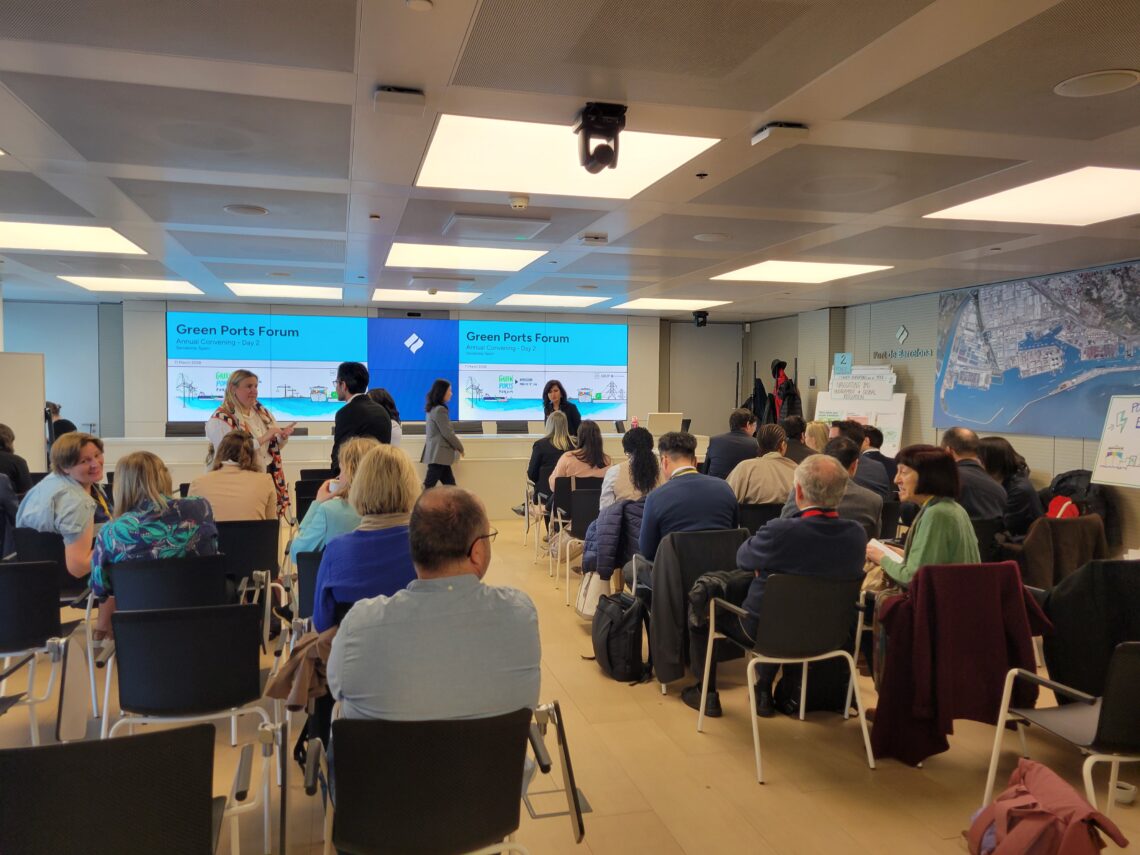
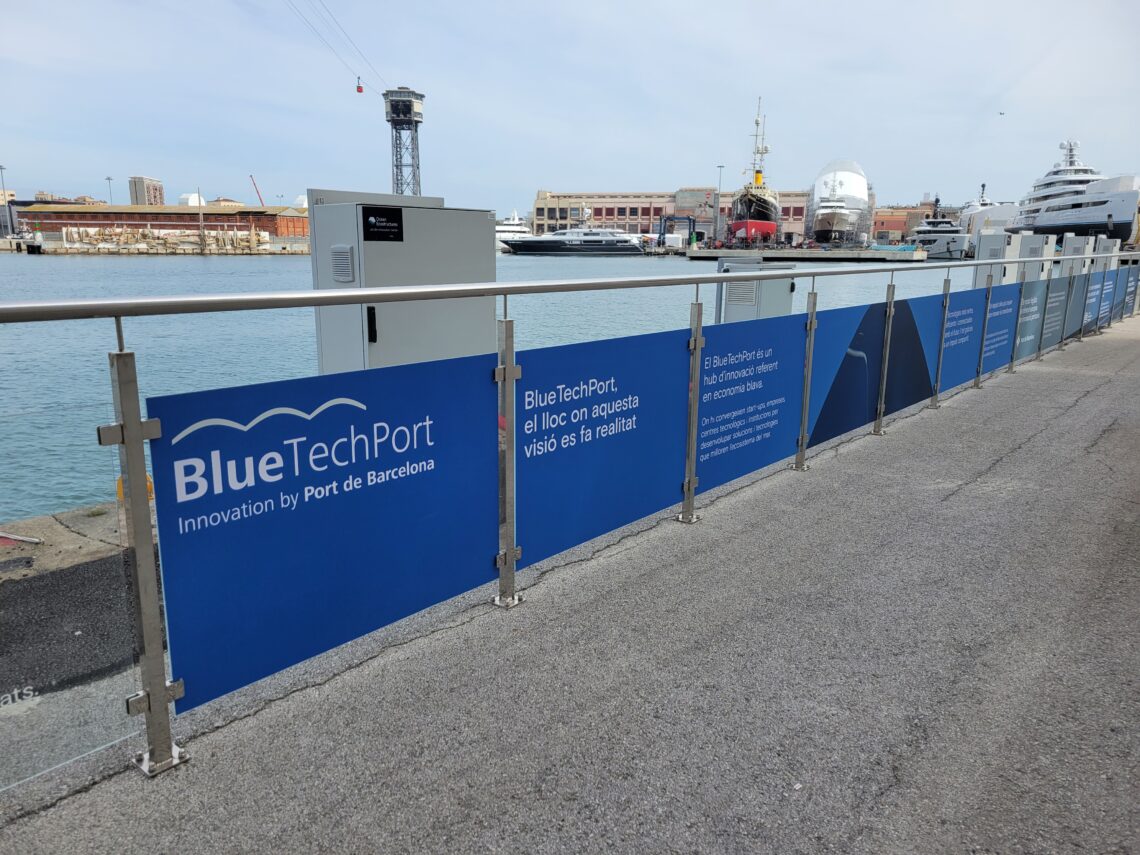
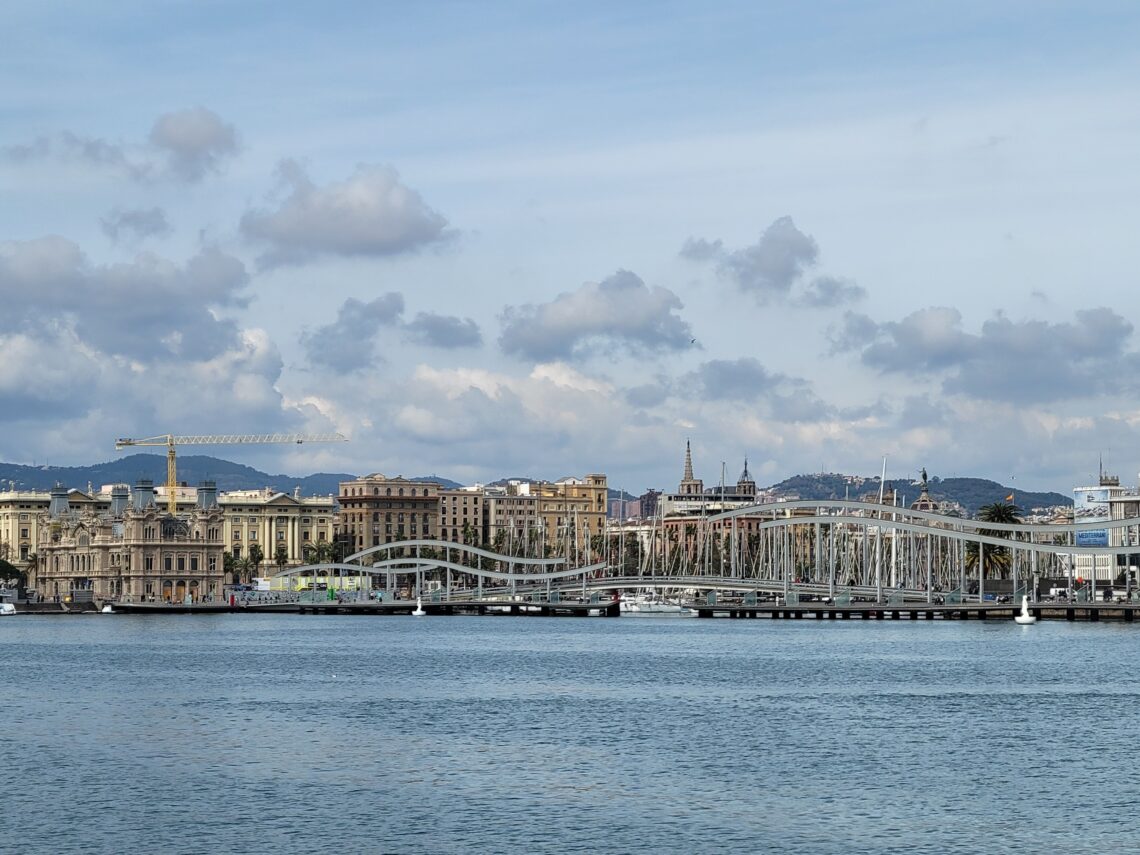
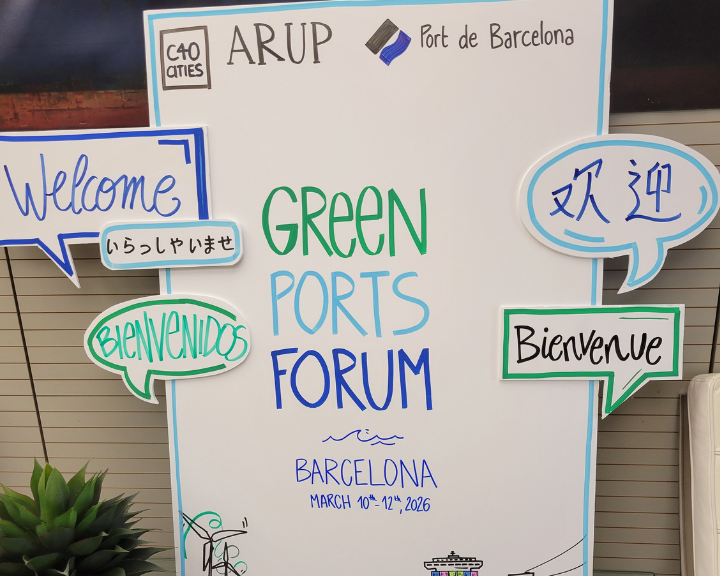
From 10 to 12 March 2026, Barcelona hosted the annual meeting of the C40 Green Port Forum. The event was welcomed by the Port of Barcelona, an active AIVP member that has placed territorial added value at the heart of its development strategy.
C40 and the Green Port Forum: Taking Action on Climate Change
C40 is a global network of major cities committed to combating climate change. The C40 Green Port Forum serves as a collaborative group involving cities and ports to accelerate the development of green corridors — decarbonised maritime routes connecting two or more ports engaged in a shared emissions reduction approach. The Forum plays a structuring role by facilitating cooperation between stakeholders, identifying solutions that work, and creating the conditions for operational implementation. An approach that fully resonates with AIVP’s vision and values.
Presenting the First Lessons of the MAGPIE Project
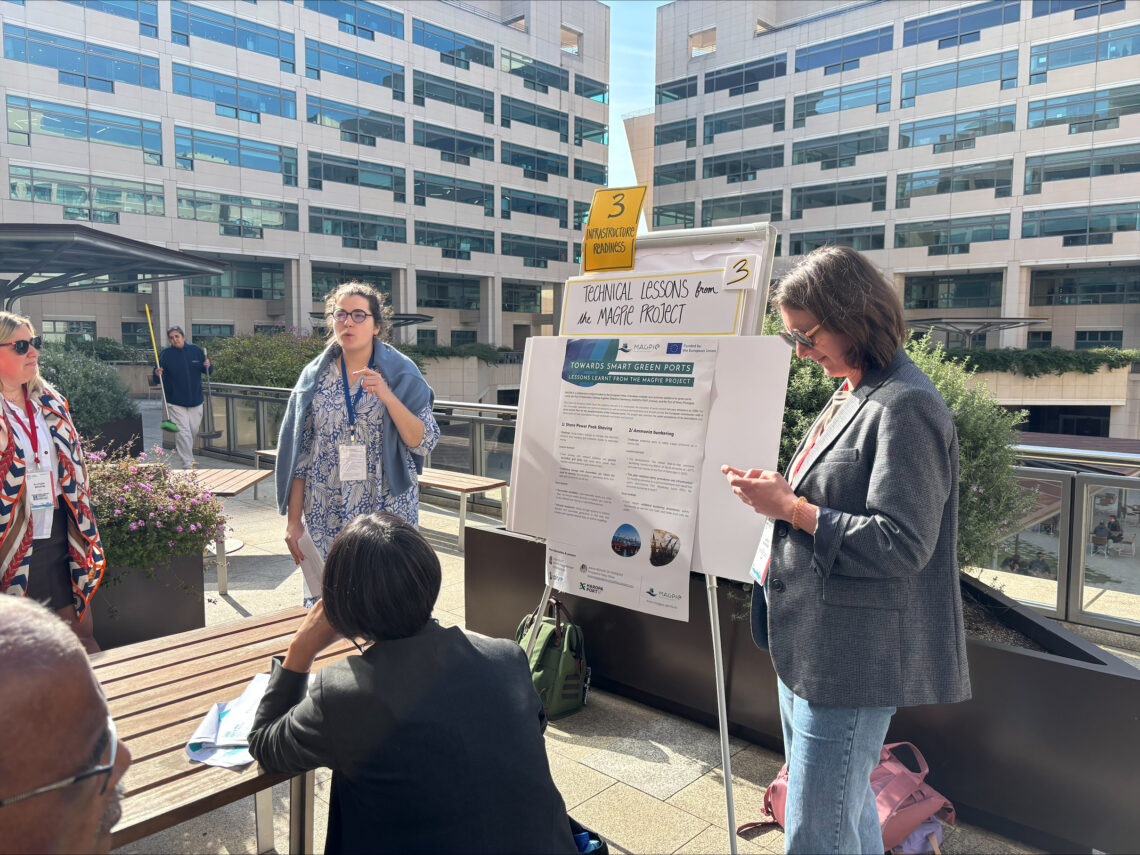
Deeply involved in the European MAGPIE project alongside the ports of Rotterdam, Sines, HAROPA Port and Delta Port, AIVP was invited to share with Green Port Forum members the project’s first insights. The presentation delivered by Lucile Audièvre, with the support of HAROPA Port, sparked lively discussions around three innovations tested within the project, which show strong potential in terms of impact and replicability for supporting port decarbonisation: ammonia bunkering, the use of batteries in response to energy demand peaks, and the use of electric and semi-autonomous trucks for port logistics operations.
Drawing on MAGPIE first results, Lucile Audièvre also highlighted four key factors contributing to the acceleration of the energy transition:
- Developing and animating environmental innovation ecosystems, both at the local and international level, is a winning strategy to accelerate decarbonization.
- Establishing innovation financing mechanisms is a game-changer for developing replicable solutions adapted to the needs and diversity of port environments.
- Multi-level cooperation and coordination between stakeholders, institutional, operational, and territorial, are decisive assets: the energy transition in ports is first and foremost a matter of shared vision and governance.
- Port decarbonization will have an impact on port communities: workers and residents. New jobs, new risks, new port landscapes: it is essential to work on the social acceptability of innovations and new energy sources that will contribute to the decarbonization of maritime transport, ports, and, by extension, port cities.
Launched in 2021 for a period of 5 years, the MAGPIE project aims to define a roadmap for the European Commission to support the energy transition of European ports, drawing on real-world experimentation including technical and non-technical innovations with high decarbonization potential.
Transforming Port-City Interfaces: A Look at the AIVP Prize Antoine Rufenacht and the Reinventing Port Cities Program
C40 Cities gave AIVP the opportunity to present to Green Port Forum participants the key information about the 2026 edition of the AIVP Prize Antoine Rufenacht. Buoyed by the success of the first edition, AIVP has decided to launch a 2nd edition, convinced of the importance of recognizing and encouraging projects that improve the port-city relationship and benefit cities, ports, and citizens alike. Applications for the 2026 edition are open until 31 July!
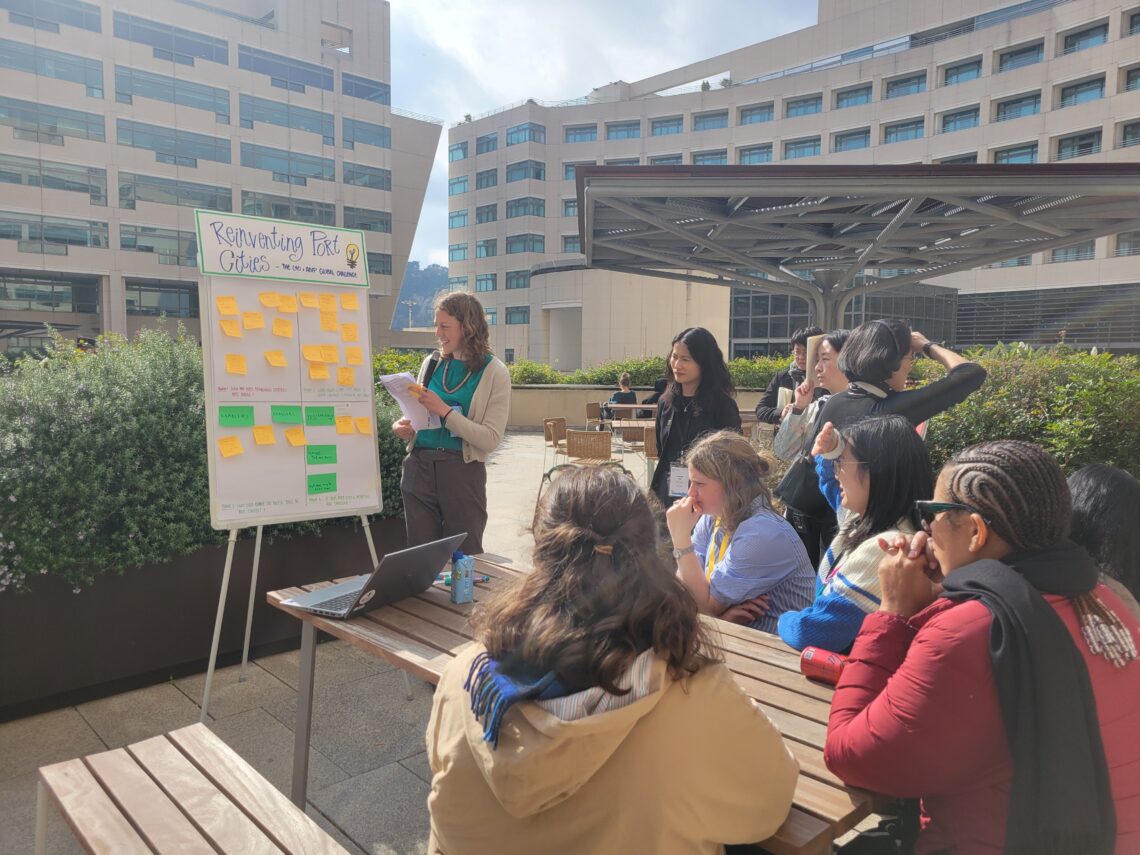
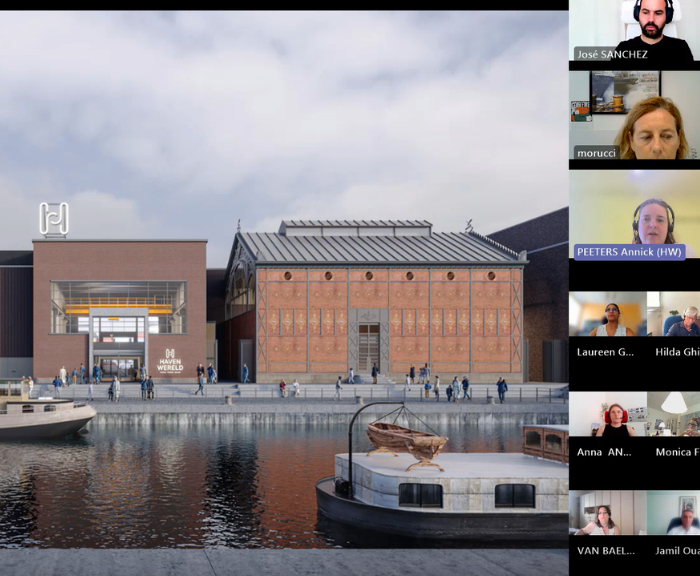
The future of port-city interfaces was also discussed through the presentation of an initiative that AIVP and C40 wish to carry forward jointly: the Reinventing Port Cities program. Building on AIVP’s expertise and the success of C40’s long-running Reinventing Cities initiative, the program aims to facilitate the activation of high-value urban development projects within port-city interfaces. A participatory workshop held during the Forum helped test the interest of ports and port cities in this approach and sketch out the first lines of work.
AIVP’s participation in the C40 Green Port Forum is part of its strategy to develop partnerships with international organizations that contribute to building more sustainable, resilient, and innovative port cities.