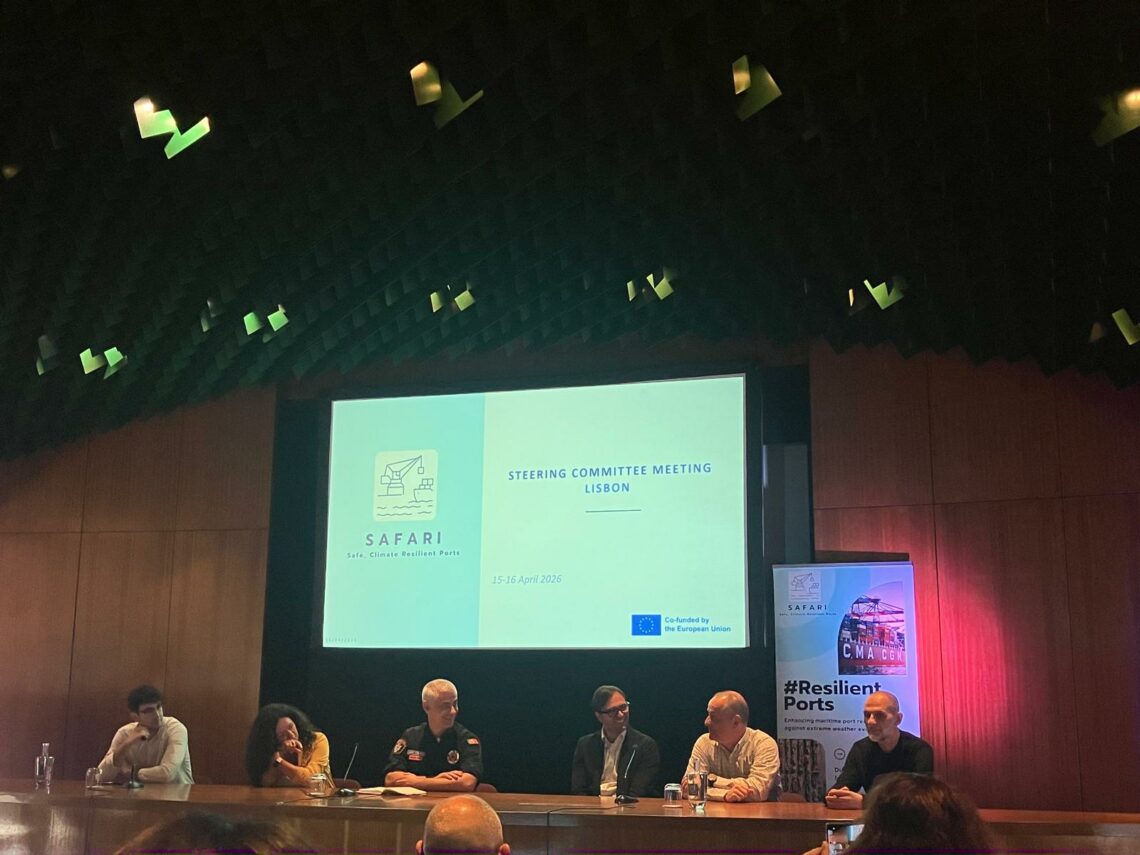
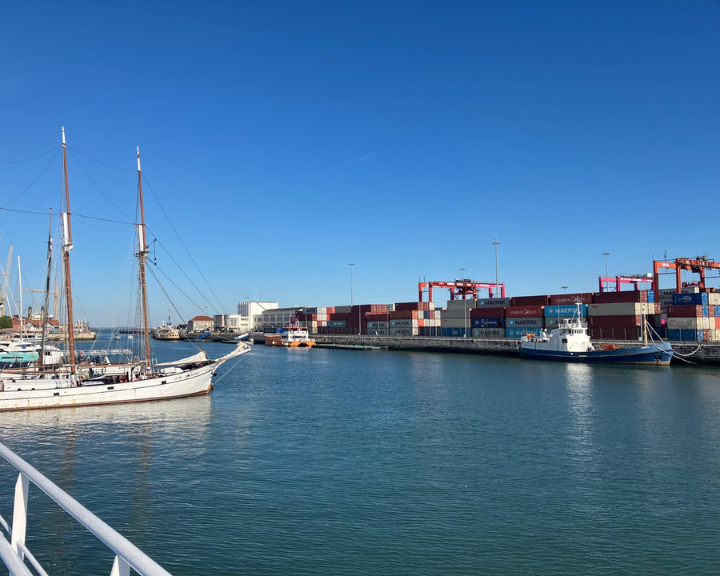
On April 15th-16th, 2026, the European SAFARI (Safe, Climate Resilient Port) project members gathered in Lisbon, Portugal, at the Gare Marítima da Rocha Conde de Óbidos, for its third Steering Committee meeting. Formerly used as a passenger terminal, this port facility now hosts cruise ship operations as well as institutional events. The event was hosted and co-organized by the Port Authority of Lisbon (APL), one of the project’s three pilot ports.
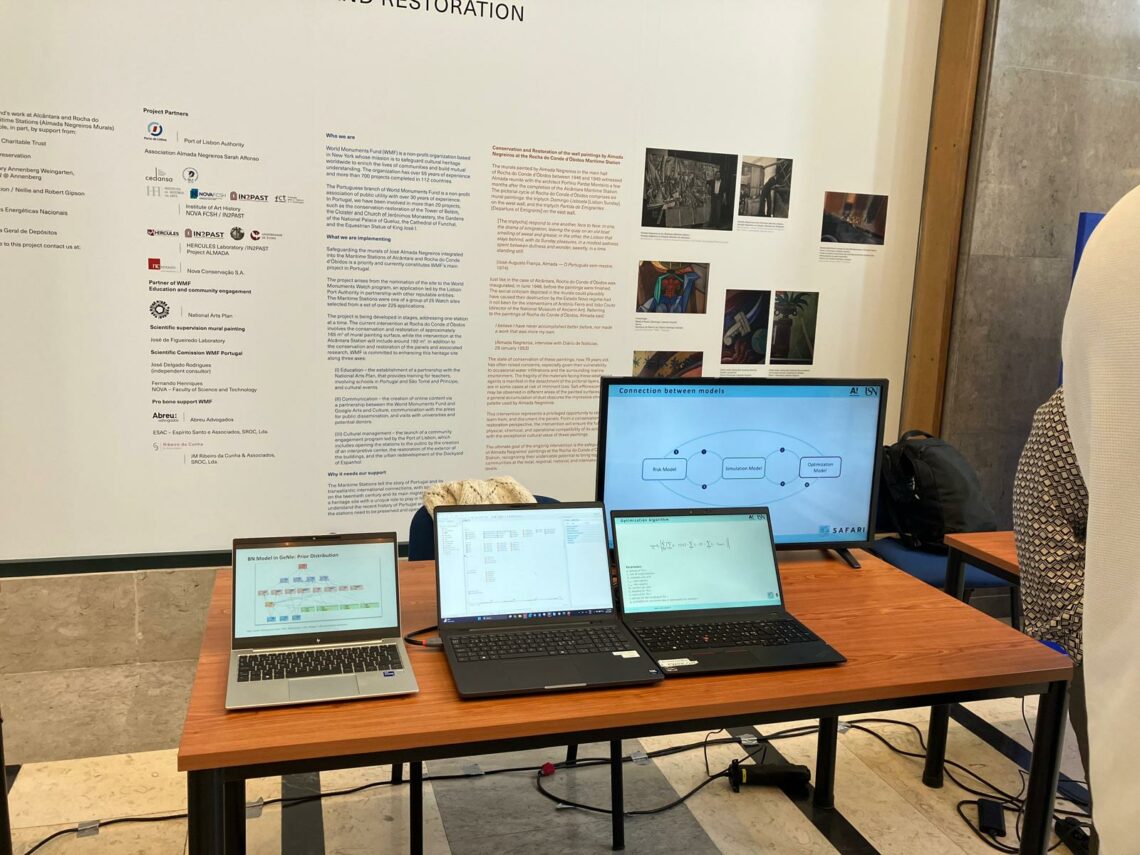
The first day began with an overview of the project’s progress, nearly two years after its launch. The morning then continued with a demonstration session organized through exhibition stands, showcasing the work of the technical working groups from Work Package 3 (Structural Measures for extremes weather events) and Work Package 4 (Operational Measures for extremes weather events). It gave participants a comprehensive view of the progress made on the innovations. In parallel with this session, the AIVP, together with selected partners, worked on finalizing the V2 exploitation plan. The objective was to provide a clear and concrete overview of the most mature innovations to identify their added value, the most suitable pathways for valorization, and the associated risks.
The afternoon was dedicated to a stakeholder engagement session (Work Package 5- Institutional Measures for extremes weather events) led by AMS, focused on the theme: “The hierarchy of crisis management: who does what, what works together, and where the gaps lie.” This was followed by a co-creation workshop led by Right Click to imagine the ideal SAFARI platform. The day concluded with a boat dinner on the Tagus River.
The second day began with a panel discussion featuring the Lisbon Civil Protection Authority, which highlighted the scope of its missions and its coordination with the port. Partners were then taken to the Liscont port terminal for an operational visit. The afternoon showcased one of the project’s major milestones: the presentation of the second version of the SAFARI Digital Platform and its integration solutions.
This meeting helped strengthen the project’s collective momentum while opening up clearer prospects for the valorization of innovations developed within the SAFARI framework.