
Find all the news from the AIVP network
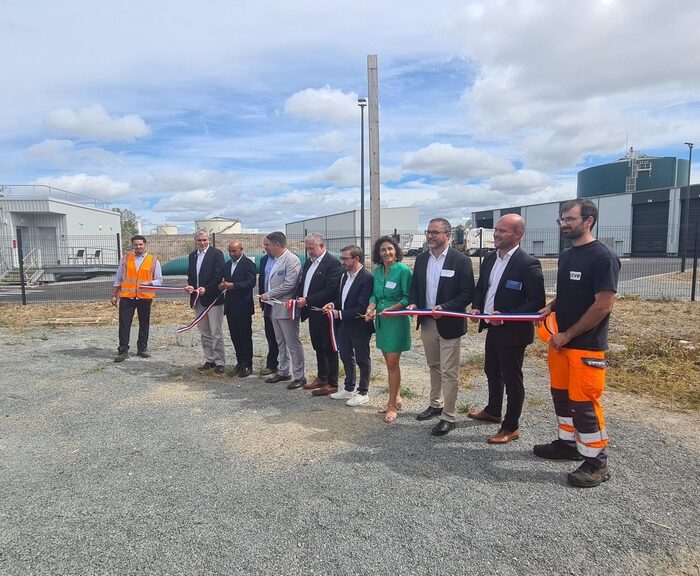
Bordeaux opens its first port methanization unit
CVE Biogaz and the Port of Bordeaux (France) inaugurated, on September 8, a methanization unit […]
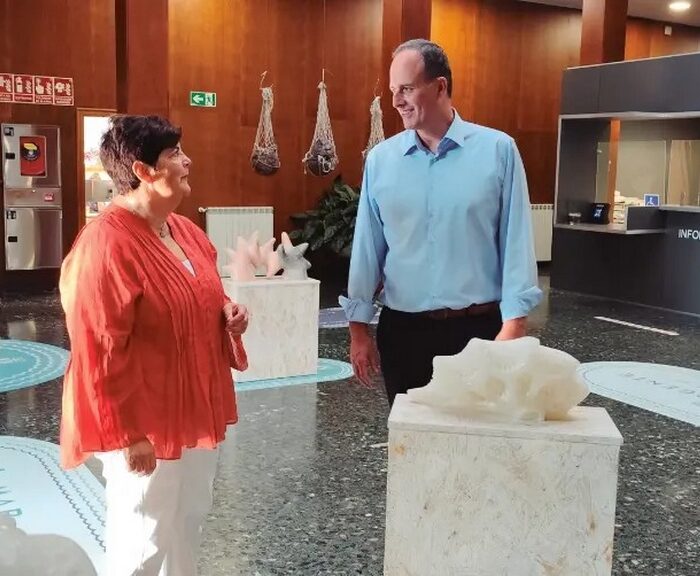
In Spain, ports and academia unite for the blue economy and innovation
Collaborations between ports and academic institutions are multiplying in Spain. In Mataró, TecnoCampus is advancing […]
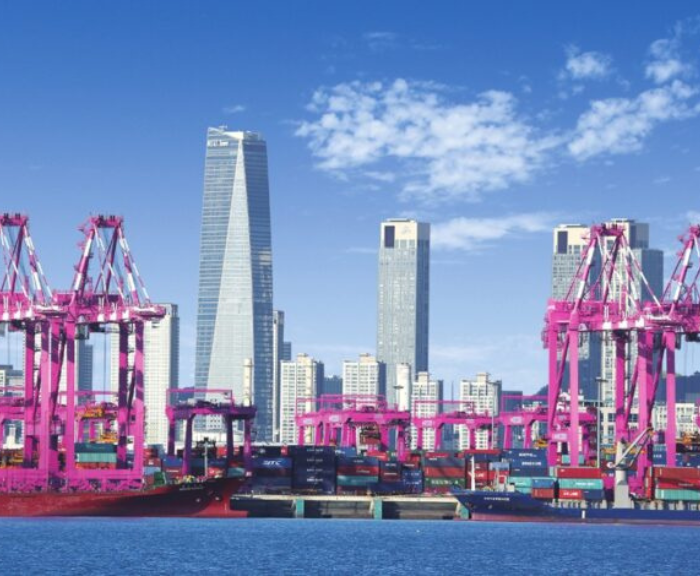
Countries turn their attention to green shipping corridors
South Korea is set to establish green shipping corridors through domestic laws that outline qualifying […]
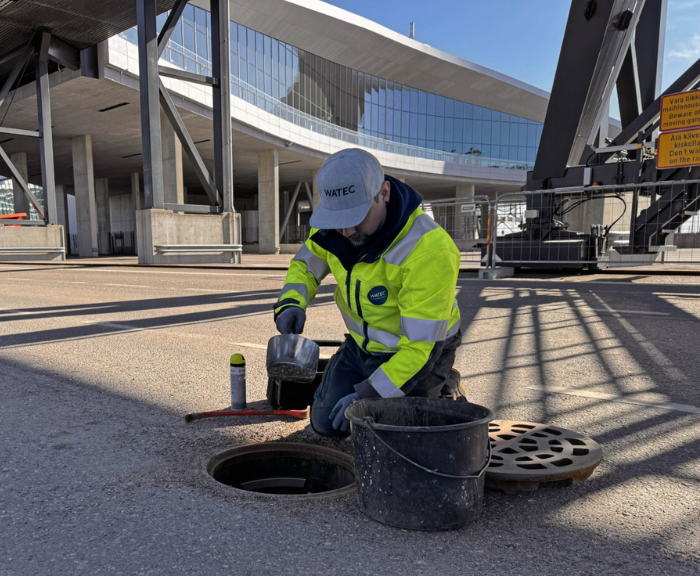
Helsinki is trialling stormwater filtration in the harbour
Six months ago, the Port of Helsinki (Finland) launched a study to filter stormwater and […]
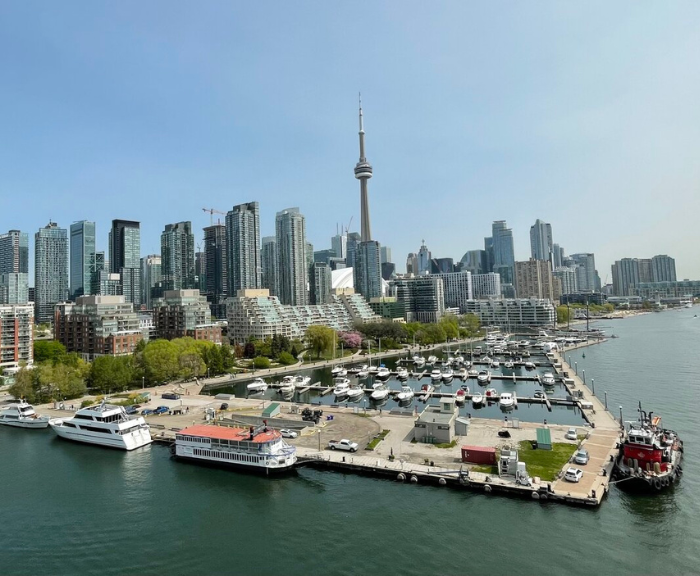
Toronto tests a new place activation strategy on its waterfront
Public Pier is the new waterfront pilot project in Toronto (Canada) aimed at transforming Marina […]
Los Angeles waterfront prepares for the Olympics
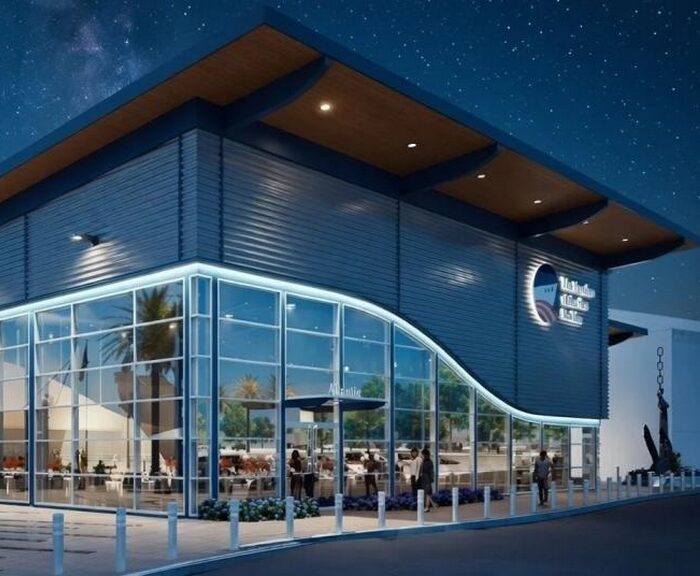
The Los Angeles Harbor Commission (USA) has approved over $70 million in construction projects to […]
The Port of Strasbourg celebrates its centenary
From 23 to 26 September 2026, the Port of Strasbourg will host a series of […]
Change in Governance for the Port of Bintulu: From Federal to Local Level
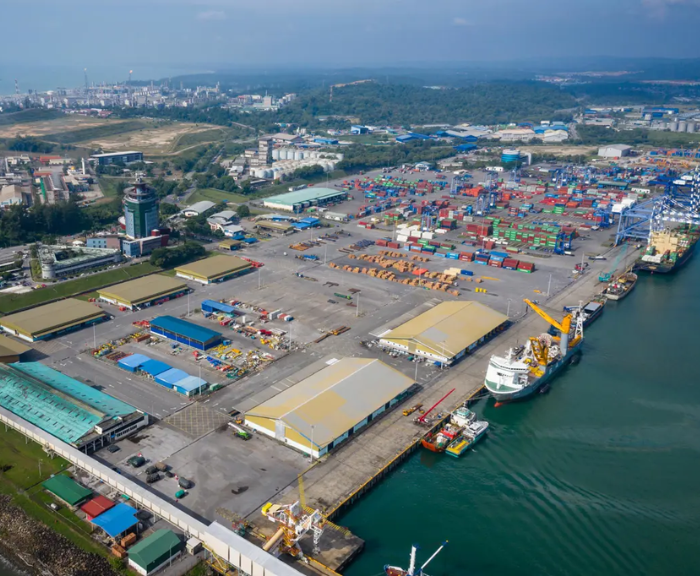
The Malaysian federal government has just transferred management and ownership of the Port of Bintulu […]
USA and UK ports explore nuclear power for maritime decarbonization
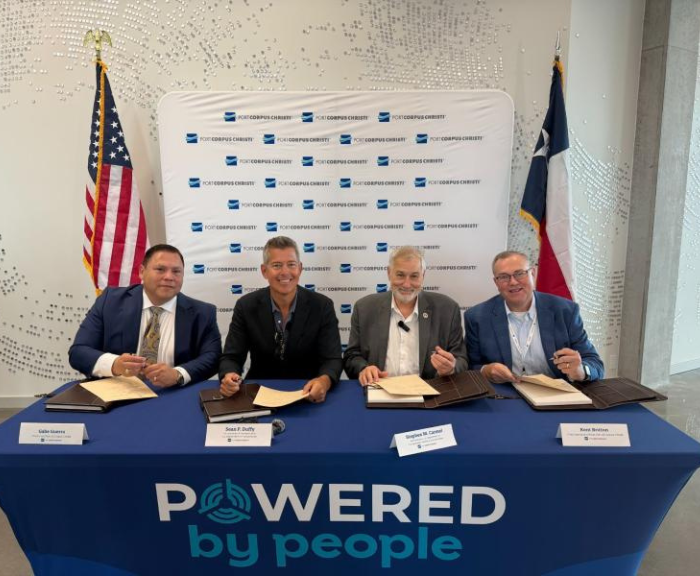
In the United States, the Port of Corpus Christi and the U.S. Maritime Administration (MARAD) are studying small modular reactors (SMRs) for port microgrids, shore power and future vessel propulsion, as part of a broader federal initiative on nuclear technologies for commercial shipping. Meanwhile, Lloyd’s Register, Maersk, and the ports of Charleston and Felixstowe (UK) are examining the regulatory, security, and operational requirements for a hypothetical nuclear-powered container route across the Atlantic. These initiatives remain exploratory but address the infrastructure and governance needed for possible future deployment.
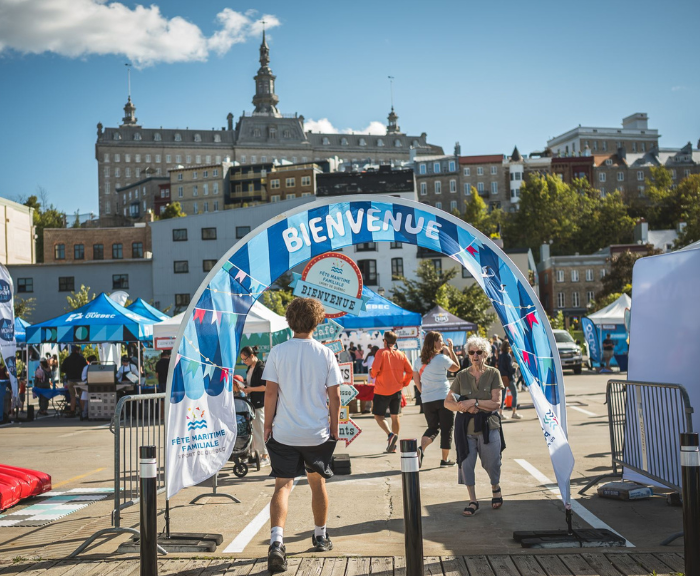
From Quebec to Rotterdam, the ports celebrate the start of the new season
In September, ports are getting back into the swing of things with festivities bridging the public with their activities. On 29 August, the Port of Québec (Canada) held the fifth edition of its Port Festival. In Europe, the Port of Rotterdam (Netherlands) hosted its 49th World Port Days from 4 to 6 September. The annual event attracts tens of thousands of visitors to the banks of the Nieuwe Maas. MAGPIE, an EU-funded project involving the AIVP as a partner, used the event to showcase several virtual reality modules in the European Commission’s pavilion Dok Europa, providing an opportunity to raise public awareness of the energy transition, and the role ports can play in supporting it.
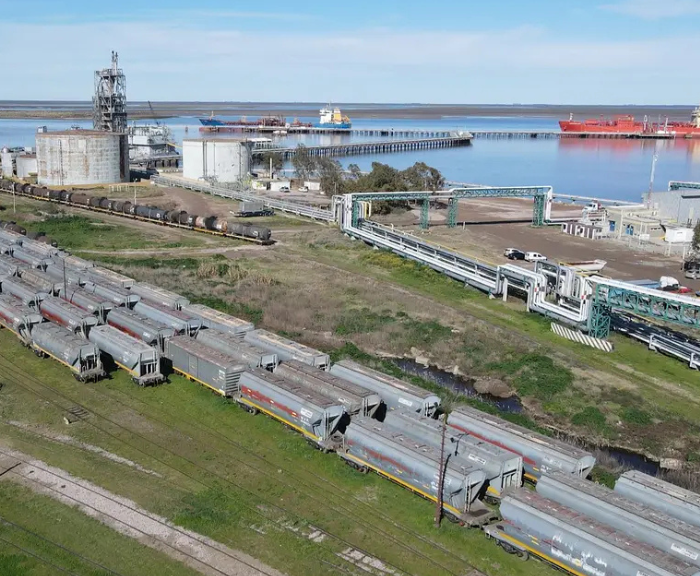
Bahía Blanca port launches new five-year plan
The Bahía Blanca Port Management Consortium (Argentina) unveiled its 2025-2029 Five-Year Plan, which totals US$44 million in investments. It combines infrastructure, modernisation, digitalisation, operational efficiency, staff training and sustainability. The programme also strengthens productive development and the port-community relationship. It aims to consolidate the Port of Bahía Blanca as a logistics, industrial and energy hub, and to bring essential predictability to the joint development of the city and the region.
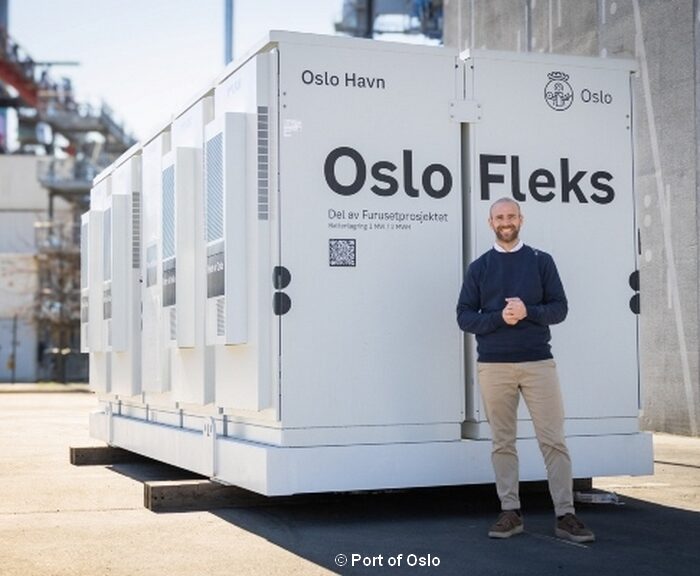
The Port of Oslo has reduced its CO2 emissions by 34 per cent since 2017
In Oslo (Norway), greenhouse gas emissions from shipping and port operations have fallen from 47,700 […]
Our events
Discover all the events where you can meet the aiVP network.
from
Tue
03
Nov
2026
to
Fri
06
Nov
2026
World Conference Cities & Ports | Dunkrik
Dunkirk, France
The AIVP World Conference Cities & Ports 2026 will take place in Dunkirk (France) from […]